Search Results for: s

Recognition Awards

PADMA SHRI JASWANTIBEN JAMNADAS POPAT Trade and Industry

PADMA SHRI JASWANTIBEN JAMNADAS POPAT Trade and Industry

Recognition Awards

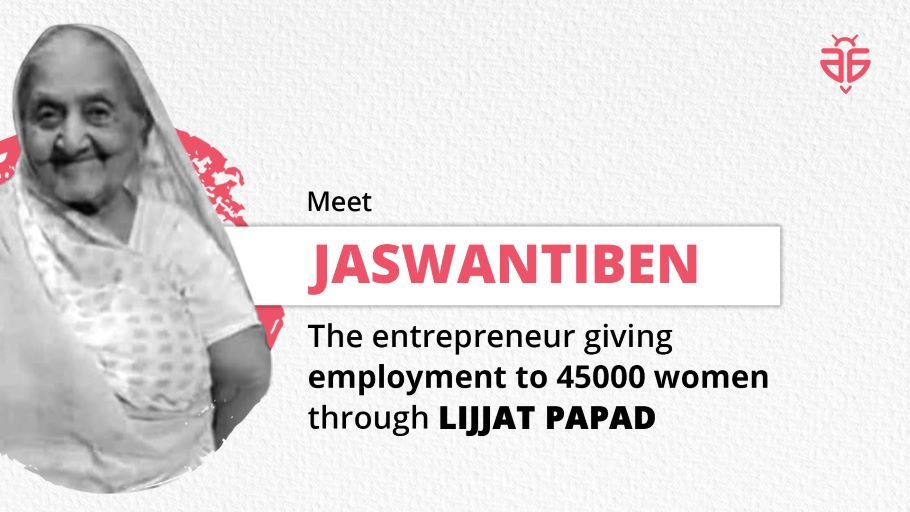
It was with a borrowed amount of Rs 80 that Jaswantiben Jamnadas Popat began her entrepreneurial journey, ably helped by with six others. Over six decades later, Lijjat Papad, which the now 91-year-old Jaswantiben started back in 1959, has become a household name . Jaswantiben was awarded the Padma Shri Award in the trade and industry category in 2021. Initially started in Girgaum area of Mumbai, not only did Jaswantiben created an international brand, she also opened up an avenue for thousands of women who achieved financial independence by working with Lijjat. In an interview with a news magazine, Jaswantiben had recalled that making and selling papads back then was a desperate measure to supplement the family income. That it slowly turned into a business ven venture was something she had never dreamt of. One of the world’s oldest cooperatives that supports women through employment opportunities, the company was christened Shri Mahila Gruha Udyog Lijjat Papad but renamed Lijjat Papad in 1962. ‘Lijjat’ means tasty in Gujarati. Initially, these women including Jaswantiben made papads on the terraces of their homes and sold four packets to a businessman. As the demand increased, the group began supplying it on a larger scale to other regions.

Today, Lijjat Papad employs around 42,000 women in over 60 branches and is exported to the USA, Singapore, England, the Netherlands and Thailand. With a turnover of over Rs 800 crore, this women-centric business majorly employs rural women who happen to be illiterate but are highly skilled. The organisation believes in collective ownership and the philosophy of Sarvodaya meaning universal uplift or progress for all.

PADMA SHRI JASWANTIBEN JAMNADAS POPAT Trade and Industry Read More »

Recognition Awards

Global Achievers: Noble Prize 2020

Global Achievers: Noble Prize 2020

Recognition Awards

In October each year, the world’s attention is directed to Stockholm as the new Nobel Laureates are announced. To celebrate and understand the work that contributed to the greatest benefit of humankind, several events take place where research, science, literature and peace are focused. Twelve laureates were awarded Nobel Prize in 2020, for achievements that have conferred the greatest benefit to humankind. Their work and discoveries range from the formation of black holes and genetic scissors to efforts to combat hunger and develop new auction formats. The Nobel Foundation, a private institution established in 1900, has ultimate responsibility for fulfilling the intentions in Alfred Nobel’s will. The main mission of the Nobel Foundation is to manage Alfred Nobel’s fortune in a manner that ensures a secure financial standing for the Nobel Prize over the long term and that the prize – awarding institutions are guaranteed independence in their work of selecting recipients.

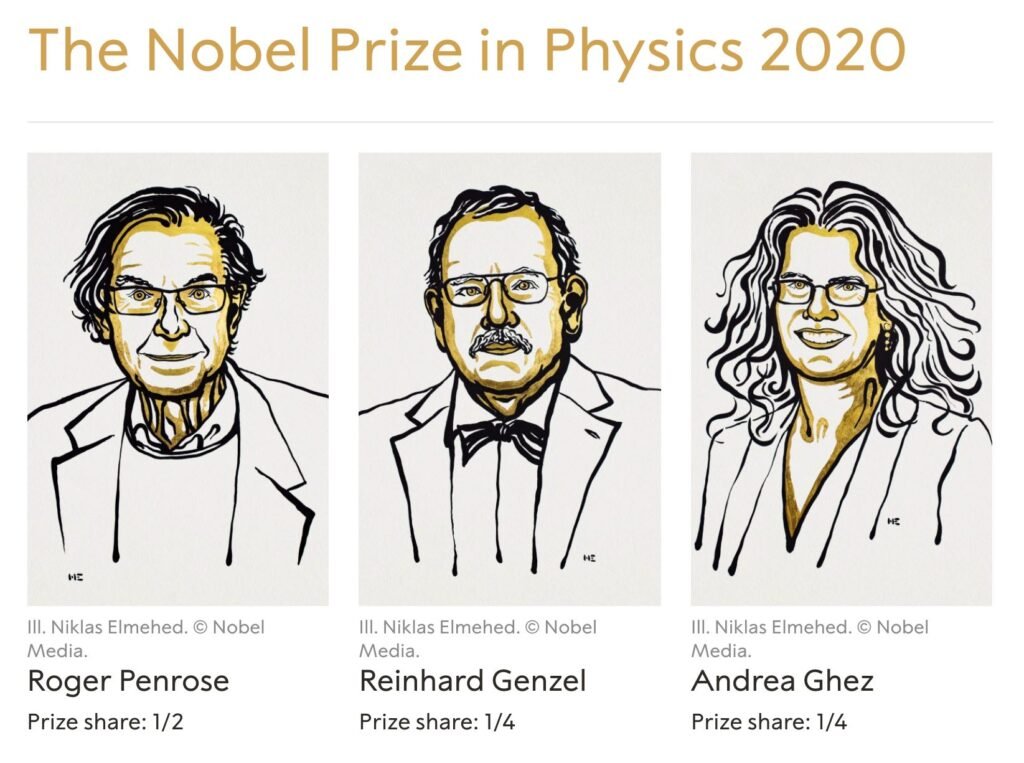
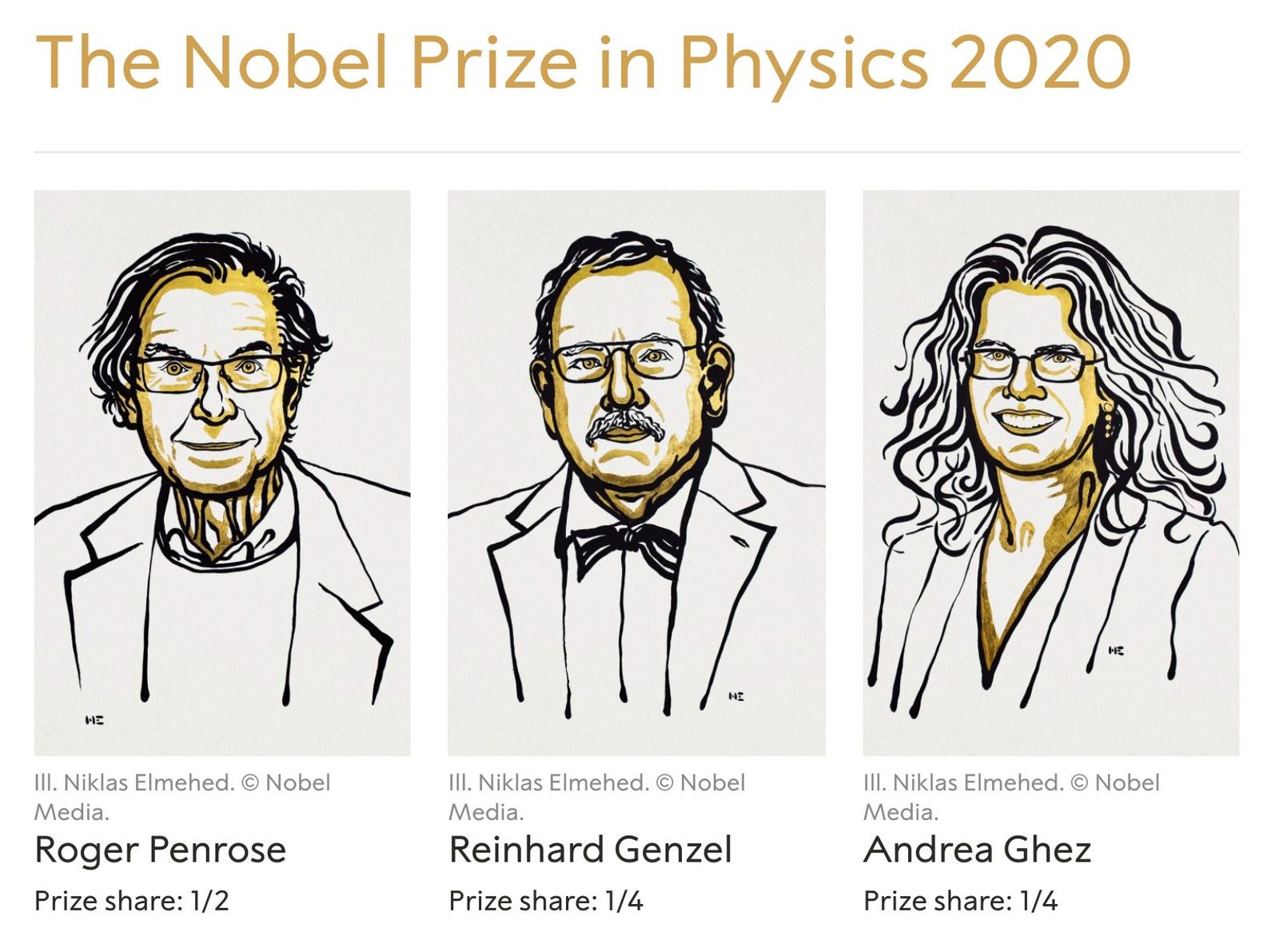
The Nobel Prize in Physics 2020 has been conferred on three scientists Roger Penrose (pic.6), for the discovery that black hole formation is a robust prediction of the general theory of relativity; Reinhard Genzel (pic.7), for the discovery of a supermassive compact object at the center of our galaxy; and, Andrea Ghez (pic.8), for the discovery of a supermassive compact object at the center of our galaxy.”

The Nobel Prize in Chemistry 2020 was given to Emmanuelle Charpentier (pic.3), for the development of a method for genome editing, and Jennifer A. Doudna (pic.4), for the development of a method for genome editing. The Nobel Prize in Physiology or Medicine 2020 was given to Harvey J. Alter (pic.9), Michael Houghton (pic.10) and Charles M. Rice (pic.11), for the discovery of Hepatitis C virus. The Nobel Prize in Literature 2020 was conferred upon, Louise Glück (pic.5) for her unmistakable poetic voice that with austere, beauty makes individual existence universal. The Nobel Peace Prize 2020, was given to the World Food Programme (WFP) for its efforts to combat hunger, for its contribution to bettering conditions for peace in conflict-affected areas and for acting as a driving force in efforts to prevent the use of hunger as a weapon of war and conflict.

The Prize in Economic Sciences 2020 was conferred on Paul R. Milgrom (pic.1), for improvements to auction theory and inventions of new auction formats, and Robert B. Wilson (pic.2), for improvements to auction theory and inventions of new auction formats.”

Global Achievers: Noble Prize 2020 Read More »

N. V Ramana sworn

N. V Ramana sworn as the Chief Justice of Supreme Court of India 

N. V Ramana sworn as the Chief Justice of Supreme Court of India 

N. V Ramana sworn

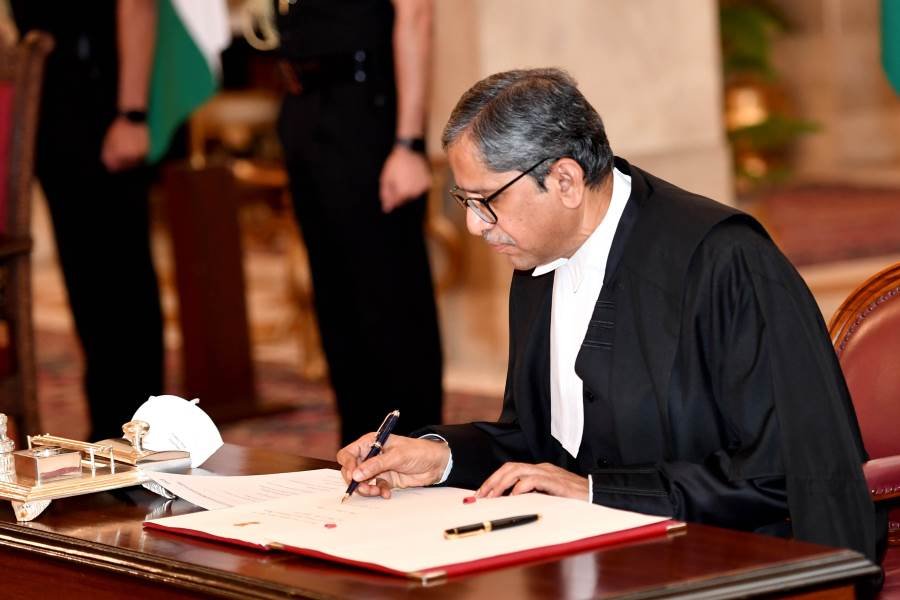
At a ceremony held on April 24, 2021at 11 am in the Ashoka Hall, Rashtrapati Bhavan, Shri Justice Nuthalapati Venkata Ramana, was sworn in as the Chief Justice of the Supreme Court of India.  He made and subscribed to the oath of office before the President.

N.V Ramana is India’s 48 th Chief Justice of India. He succeeded Justice SA Bobde. The official ceremony took place in Rashtrapati Bhawan in the presence of President Ram Nath Kovind. He’ll hold office till August 26, 2022.

N. V Ramana sworn as the Chief Justice of Supreme Court of India  Read More »

Recognition Awards

E-Summit on COVID WARRIORS AND CONTRIBUTORS

E-Summit on COVID WARRIORS AND CONTRIBUTORS

Recognition Awards

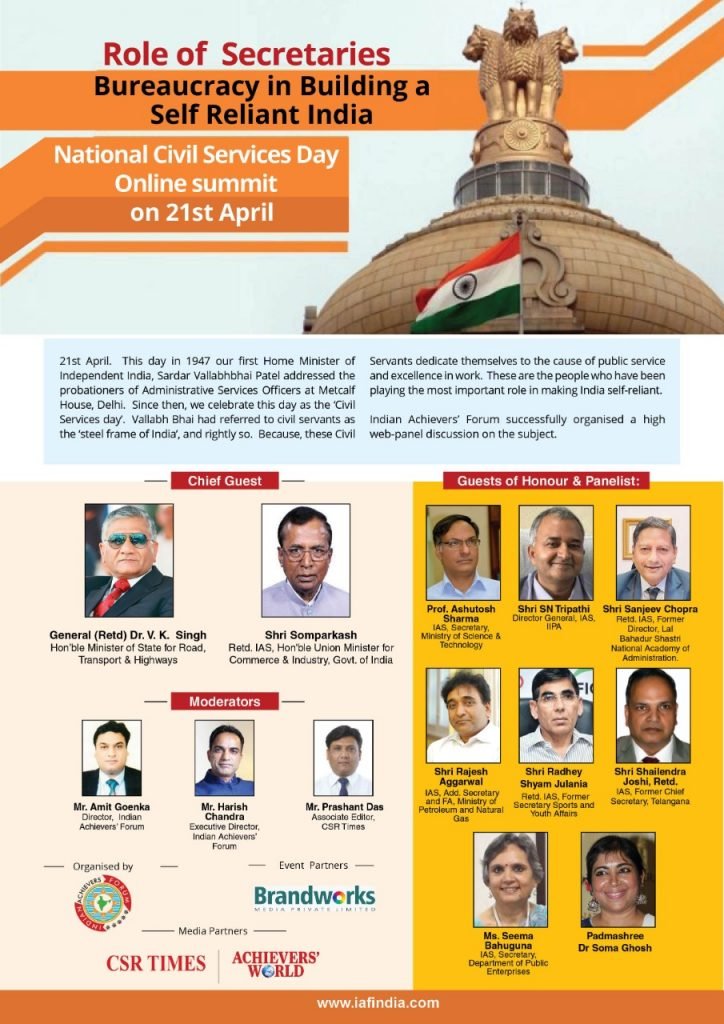
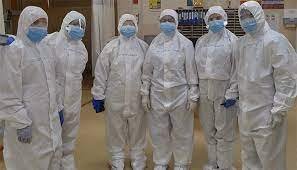
India has been successfully fighting Corona Virus with the help of COVID Warriors. This strategic preparedness and response plan by India outlines the public health measures that the community stands ready to provide to support every citizen to prepare for and respond to COVID-19. A webinar cum e-Summit on “COVID WARRIORS AND CONTRIBUTORS” was Organised by CSR TIMES Powered and Presented by Northern Coalfields Limited (NCL) with Associate Partners: ICSI and Indian Achievers’ Forum. The webinar highlighted what we had learned so far about the virus and translated that knowledge into strategic action that can guide the efforts of all national and state partners when developing context-specific national and regional operational plans.

The participants also argued that Covid-19 pandemic offers an excellent opportunity for businesses to shift towards more genuine and authentic CSR and contribute to addressing urgent global social and environmental challenges. We also discussed some potential directions in which consumer‘s ethical decision making will be shifted to due to the pandemic. Mr K J Alphons, Member of Parliament, Rajya Sabha, Former Union Minister, said, “We are living in difficult times. Government is doing so much what we need to understand is the big corporate and PSUs have done their CSR, it is time for individuals to step in difficult times. Government is doing so much what we need to understand is the big corporate and PSUs have done their CSR, it is time for individuals to step in Mrs Stuti Kacker, Former Chairperson, National Commission for Protection of Child Rights (NCPCR) said, “We need to bring to the notice to the policymakers about child abuse. The welfare and development aspect of the children need to be taken care of. Many individuals, NGOs, hospitals have taken special efforts to help children. They have generated the financial resources from their funding.” Other speakers also stressed on the importance of contributing in whatever ways the able individuals can help. The speakers also pointed out the need for system to become alive to the challenges and opportunities. Key Speakers and Prominent Guests were: Mr K J Alphons, Member of Rajya Sabha & Former Union Minister; Mrs Stuti Kacker, Former Chairperson, (NCPCR); Mr Bimlendu Kumar Jha, Director Personnel, Northern Coalfields Limited (NCL); Dr Alexander Thomas, President, Association of Healthcare Providers (India) – AHPI; and, Mr Ashish Garg, President, Institute of Company Secretaries of India (ICSI).

E-Summit on COVID WARRIORS AND CONTRIBUTORS Read More »

Recognition Awards

Women Achievers E-Summit 2020 BY Indian Achievers Forum

Women Achievers E-Summit 2020 BY Indian Achievers Forum

Adventure excellence awards

United Nations and WHO have highlighted the challenges of gender inequality and the struggles during the Covid. A UN report states that responding to the pandemic is not just about rectifying long-standing disparities, but also about building a resilient world in the interest of everyone with women at the centre of recovery. A profound shock to our societies and economies, the COVID-19 pandemic underscores society’s reliance on women both on the front line and at home, while simultaneously exposing structural inequalities across every sphere, from health to the economy, security to social protection. In times of crisis, when resources are strained and institutional capacity is limited, women and girls face disproportionate impacts with far – reaching consequences that are only further amplified in contexts of fragility, conflict, and emergencies. Hard fought gains for women’s rights are also under threat.

Smt Rekha Sharma, Chairperson, NCW said, “During Covid especially women teachers and other professionals have done tremendous work, taking care of their home and professional commitments. This is a great effort and should be complimented wholeheartedly by all.” NCL has been at the forefront of gender equality and has taken several steps to encourage them to take up challenging assignments. “As a result, we have not only women officers, but also women in the field. I have personally taken special efforts to highlight their work to all working in NCL. Workshops and seminars have also been organized to highlight the importance of women workforce in an organization and their contribution to the economy,” said Bimlendu Kumar, Director (P) NCL. Priyank Kanoongo, Chairperson, NCPCR, said, “The lockdown allowed us to look at the child protection in a new light. We realized that the perceptions need to change with the ground realities. The commission enhanced our reach eight times, but the media wrote that during the lockdown, the child abuse has increased by eight times.”

He also pointed out that online child sexual abuse during lockdown was a concern. “We approached all social media platforms like Facebook, Twitter and others and ensured that children who were using the online system to gain education are protected from any online abuse,” said Kanoongo. The above sentiments were elucidated by the eminent people working on the gender issues and child protection at the webinar on National Women Summit 2020 organized by Indian Achievers’ Forum. It was attended by Smt Rekha Sharma, Chairperson, NCW as Chief Guest along with Shri Priyank Kanoongo, Chairperson, NCPCR; Guest of Honour Sh. Ashish Garg, President. ICS; Shri Bimlendu Kumar, Director (P) NCL; Mrs Rajita Bagga, President, Sri Sri University and more.

Women Achievers E-Summit 2020 BY Indian Achievers Forum Read More »

Recognition Awards

Mission Covid Suraksha

Mission Covid Suraksha

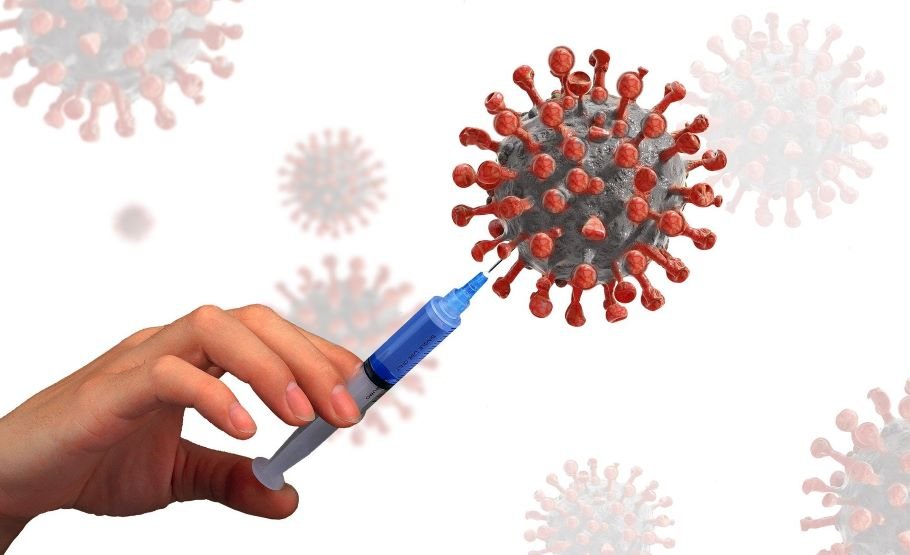
As on June 30, 2021, India’s cumulative Covid vaccination coverage exceeded 33.54 crore. The government aims to cover 250 million “priority people” by the end of July but experts feel the pace of vaccination has been slow and needs to be accelerated.

With the first dose given to a health worker at AIIMS Delhi, India had become the first major developing country to begin the world’s biggest Covid-19 vaccination programmes earlier this year. It was on January 4 that the Drugs Controller General of India (DCGI) approved two vaccines against Covid-19 – Covishield developed by the Serum Institute of India (SII) and Covixin by Bharat Biotech for restricted use in emergency situations. The DCGI approved these vaccines after it examined the recommendations of the Subject Expert Committee (SEC) of the Central Drugs Standard Control Organisation (CDSCO). As on June 30, India’s cumulative Covid vaccination coverage exceeded 33.54 crore. The government aims to cover 250 million “priority people” by the end of July. But experts say that the pace of vaccination has been slow and unless the drive is scaled up, the target could be missed. And with the second wave of Covid-19 hitting the world with vengeance, more and more people are demanding the vaccination be given to all irrespective of their age. The government had initially planned to conduct vaccination
drives age-wise.

The vaccine production was ramped up amid the deadly second wave which peaked in April- May. Apart from the two Indian vaccines – Covishield
and Covaxin – and Russia’s Sputnik V (developed by Dr Reddy’s Lab in association with Russia-based Gamaleya National Centre.) currently available in the country, two billion doses of the local version of Novavax (called Covavax), being produced by Serum Institute of India, will also be made available soon. As per the information available, Novavax was found to be more than 90 per cent effective in a ate-stage US-based clinical trial.

Further, the government has also ordered 300 million doses of another vaccine from Indian firm Biological E, the first Indian private vaccine-making company. The vaccine, developed in collaboration with US-based Dynavaxand Baylor College of Medicine, has not yet received emergency approval. But, it is in the key third phase of clinical trials and is likely to be available in the next few months. The government has also given approval to Indian pharma company Cipla to import Moderna vaccine, which has shown nearly 95 per cent efficacy against Covid-19. “The new drug permission for restricted emergency use is now in operation,” says a Health Ministry official, adding that the aim is to vaccinate all Indians by the end of this year – this though seems a bit difficult considering the shortage of doses and vaccine hesitancy among people. Vaccines made by Pfizer and Moderna may also be available in India soon.

ia soon. This apart, there are some other pharma companies which too are in the process of developing vaccines against covid 19. These are in different stages of trials to test safety and efficacy. Ahmedabad-based ZydusCadila is developing ZyCov-Di vaccine. Pune-based Genova has made India’s first mRNA vaccine, HGCO19, in collaboration with Seattle-based HDT Biotech Corporation. It has done so by using bits of genetic code to cause an immune response. Besides, Bharat Biotech is also developing a nasal vaccine.

Let’s talk about the two Indian vaccines Covishield is a Recombinant Chimpanzee Adenovirus vector vaccine, which encodes the SARS-CoV-2 Spike (S) glycoprotein with technology transfer from Astra ZenecaOxford University while Covaxin is Whole Virion Inactivated Corona Virus Vaccine developed by Bharat Biotech in partnership with Indian Council of Medical Research (ICMR) and National Institute of Virology (NIV). The company received the virus seed strains from ICMR and NIV and the vaccine is developed on the Vero cell platform. Covishield is made from a weakened version of a common cold virus (known as an adenovirus) from chimpanzees. It has been modified to look more like coronavirus – although it can’t cause illness. When the vaccine is injected into a patient, it prompts the immune system to start making antibodies and primes it to attack any coronavirus infection. Covaxin is an inactivated vaccine which means that it is made up of killed coronaviruses, making it safe to be injected into the body. When administered, immune cells can still recognise the dead virus, prompting the immune system to make antibodies against the pandemic virus. Both the vaccines follow two dose-regimens and can be to be stored.

at 2°C-8°C. As per the DCGI, Covishield is 70.42 per cent effective and Covaxin is ‘safe and provides a robust immune response’. Covaxin has an efficacy rate of 81 per cent. With the vaccination drive going on in full swing, both the companies have sought funds from the Central Government to ramp up the production. A government-appointed interministerial panel on vaccine manufacturing visited the manufacturing facilities of both the Bharat Biotech and the Serum Institute to review the production status. RenuSwarup , Secretary , Department of Biotechnology, has said that the government is ready to provide assistance under the Covid Suraksha scheme. Swarup emphasised the scheme is meant to support the research and development of coronavirus vaccines. 

Mission Covid Suraksha was launched by the Central Government in November 2020 to help accelerate the development of approximately five-six vaccine candidates and ensure these are brought closer to licensure and introduction in the market. Meanwhile, true to its philosophy of Vasudhaiv Kutumbakam, India is also supplying the vaccine to a large number of countries across the world. It has shipped tens of thousands of free doses of Covid-19 vaccines to several countries under “vaccine diplomacy”. It sent 64 million doses of vaccines to 84 countries in Latin America, the Caribbean, Asia and Africa. The recipient countries include the UK, Canada, Brazil and Mexico. Both Covishield and Covaxin have been exported so far – some in the form of “gifts”, others in line with commercial agreements signed between the vaccine makers and the recipient nations, and the rest under the Covax scheme, which is led by the World Health Organisation (WHO) and hopes to deliver more than two billion doses to people in 190 countries in less than a year. The foreign ministry says India will continue to supply vaccines all over the world after taking into account domestic requirements and international demands and obligations

Mission Covid Suraksha Read More »

Scroll to Top
Make payment in favour of:  
BRANDWORKS MEDIA PRIVATE LIMITED
 
Account No.: 

9810066763

Bank Name: Kotak Mahindra Bank
Branch: Mayur Vihar-I, Delhi -110091

IFSC CODE :  KKBK0000203
MICR No.: 110485046

===================== 

If you are choosing this payment option, then please select and copy the above text before closing this pop-up.